Index · AI prototypes · Self-initiated
Design + AI, 0 to 1
From brief to working software: designing with AI, designing for AI, and shipping the result.
Built between roles, using the same approach as everything else here: find the real problem, model the system, ship something that works. Just compressed into days instead of quarters.
Each one starts with a real product problem, runs through object modeling and design system work, and ends with something you can click into rather than a static mockup. I logged every place the AI got it wrong, because that is the part that proves the process.
Creating an AI Agent
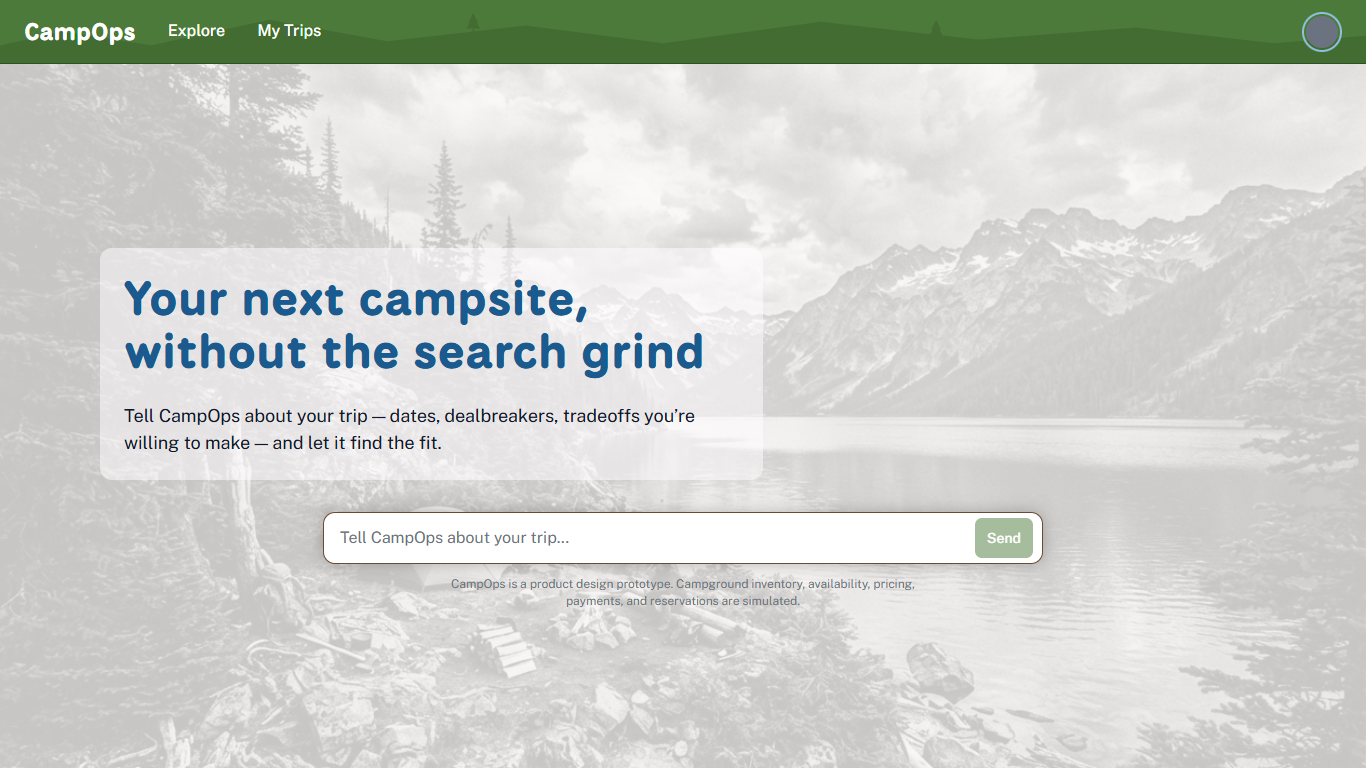
What does an AI agent feel like to use, when there’s no established pattern library to borrow from?
An AI travel agent that recommends, adapts, and asks permission before it does anything irreversible. You correct it the way you would correct a person: “CampOps, stop assuming this.” Tested against 34 test files and a physical device running the real AI.
Figma Still Wins
The handoff gap developers feared was smaller than they thought.
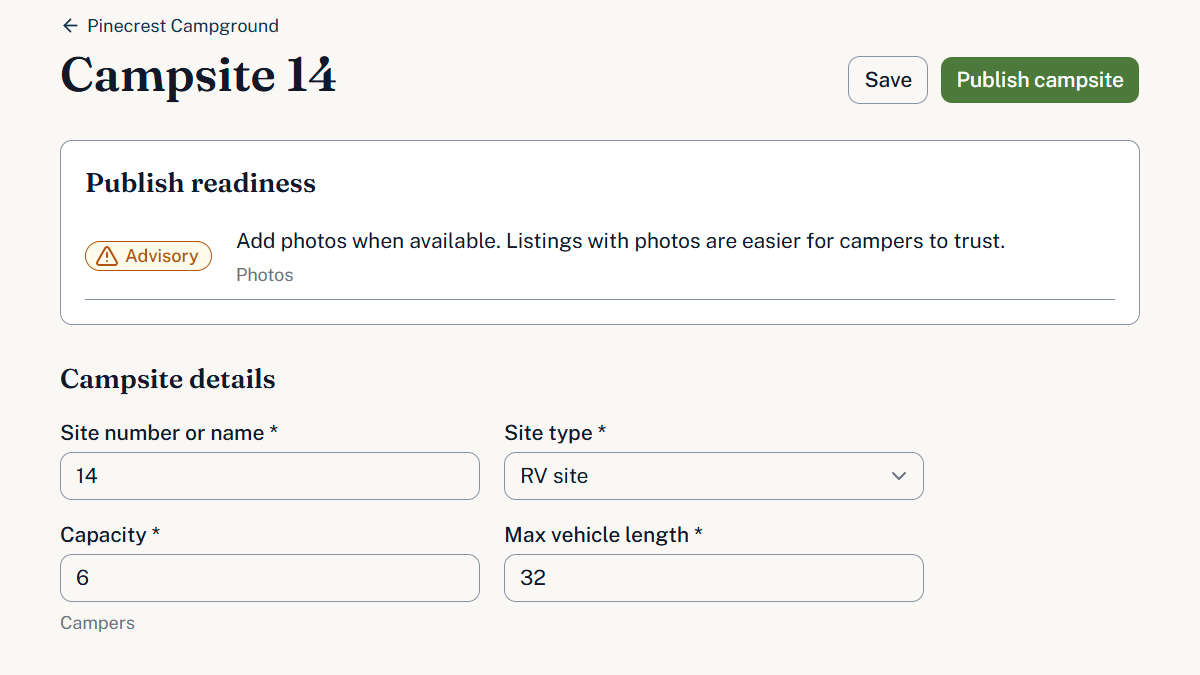
An engineer once told me handoff still meant redoing a designer’s work by hand, because prototypes don’t translate into anything a dev team can use. I built a design system and five screens in Figma, then carried them into production-shaped code. Side-by-side review found one discrepancy across all five. Getting there meant catching 35 places where the AI drifted from intent.
OOUX Design + Vibe Coding
From brief to deployed app in two days.
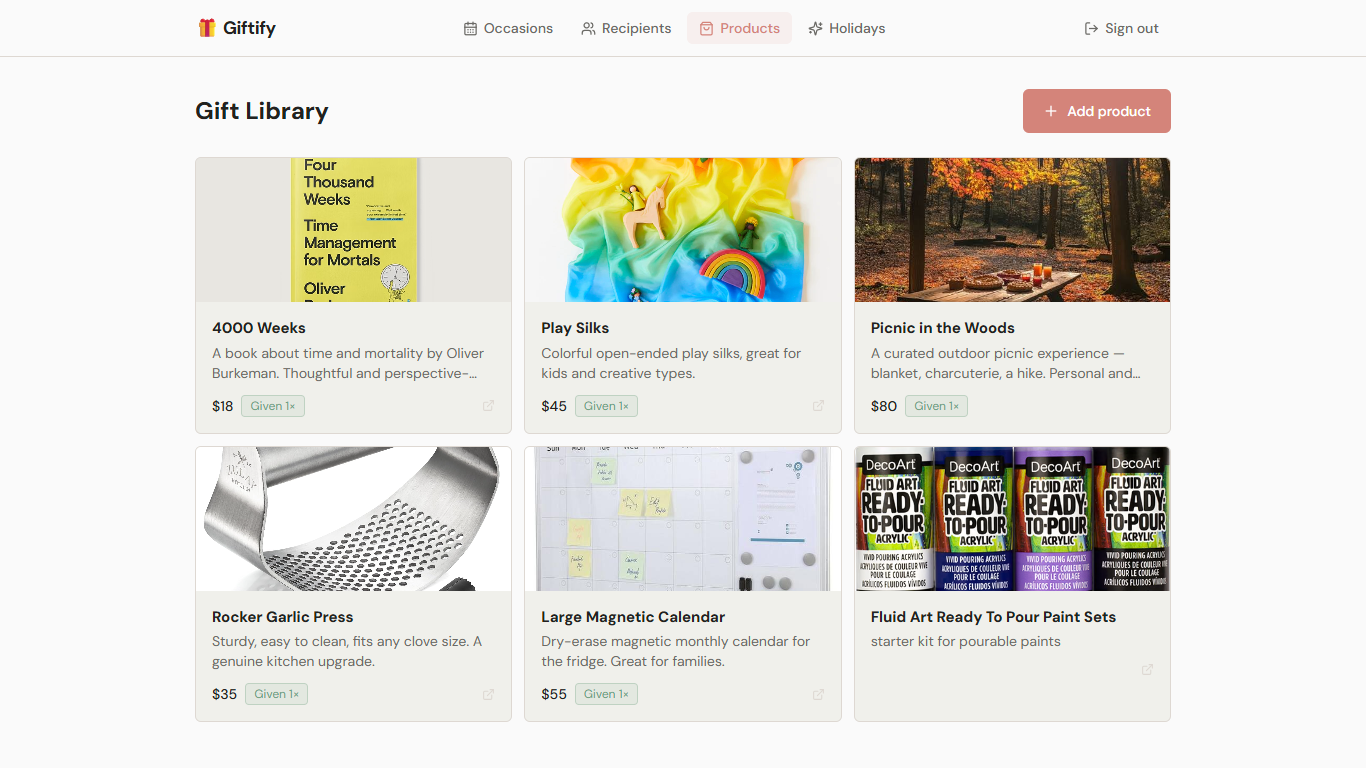
A full gift-tracking app with real auth, a real database, and a working AI suggestion engine, built solo over a weekend by following an OOUX-to-build pipeline start to finish. It’s the answer to “can you actually build things.” The answer is live.